Introduction
Businesses often debate whether to stick with traditional management systems (manual processes, spreadsheets, or standalone software) or switch to ERP. Let’s compare the two.
Traditional Management Systems
- Pros: Low initial cost, easy to set up.
- Cons: Lack of integration, limited reporting, time-consuming manual work, error-prone.
ERP Systems
- Pros: Centralized platform, real-time reporting, automation, scalability, improved efficiency.
- Cons: Higher upfront cost, requires training.
Key Differences
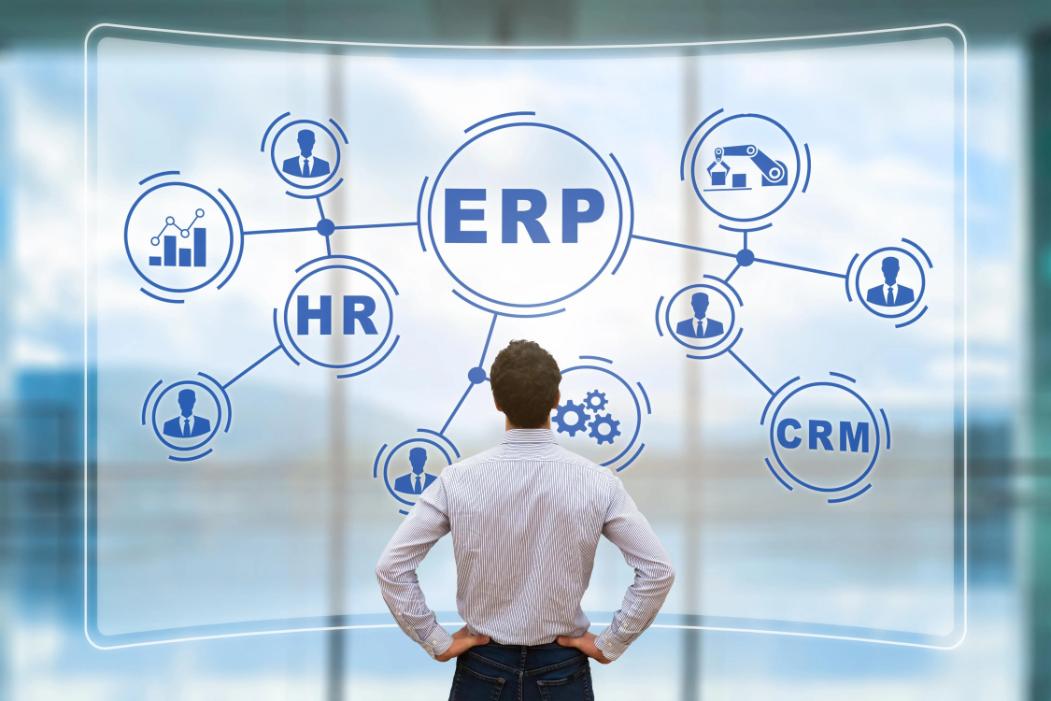
- Integration , ERP unites all departments, traditional systems work in silos.
- Data Accuracy , ERP reduces errors, manual systems often have duplicates.
- Decision Making , ERP provides real-time insights, traditional systems rely on outdated data.
- Scalability , ERP grows with your business, traditional tools limit expansion.
Which is Right for You?
- Small businesses with simple operations may manage with traditional tools.
- Growing and medium-to-large enterprises benefit far more from ERP.
Conclusion
In today’s competitive environment, ERP is the smarter choice for businesses looking to scale, cut costs, and remain competitive.